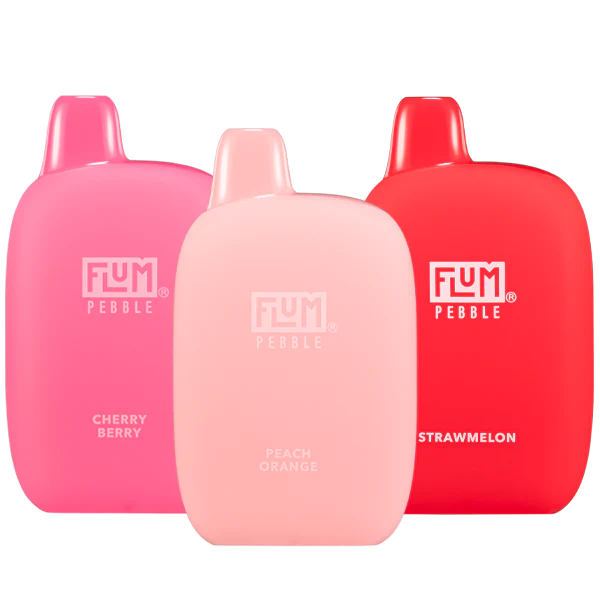
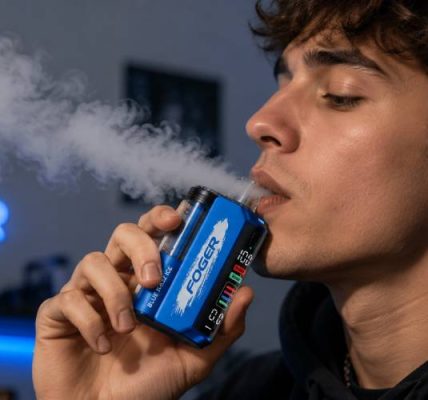
If you’ve ever grabbed a disposable vape off the shelf, taken a few puffs, and thought “this thing is already dead?”, you’re not alone. Choosing their next disposable is something vapers get wrong all the time, not because they’re careless, but because the market is flooded with options that look nearly identical on the outside while being wildly different on the inside. This guide cuts through the noise so you actually know what you’re buying before you spend a dime.
Quick Answer: Before buying any disposable vape, you should understand how puff counts actually work, whether the battery matches the juice capacity, what coil technology is inside, how build quality affects your experience, and how to dispose of used devices properly. Miss any one of these and you risk wasting money on something that disappoints.
Key Takeaways
Puff counts are estimates, not guarantees. Your draw style matters more than the number on the box.
Battery and e-liquid capacity need to match. Cheap brands often get this wrong, leaving juice in the tank and you out of vapor.
Mesh coils and nicotine salts are the two biggest quality indicators for flavor and smoothness.
Build quality directly affects leaking, comfort, and overall lifespan of the device.
Disposable vapes contain lithium-ion batteries and should never go in the regular trash. Recycle them properly.
1. Puff Counts Are Rough Estimates, Not Promises
Walk into any vape shop or scroll through an online store and you’ll see disposables advertising anywhere from 600 puffs to 7,000 or even 40,000 puffs per device. Those numbers are eye-catching. They’re also misleading if you take them too literally. Manufacturers calculate puff counts based on a standardized draw that lasts roughly one to two seconds. The problem is that nobody vapes in a lab. Real people take longer pulls, shorter pulls, and everything in between depending on their mood and habit. If you’re someone who takes slow, deep draws, you’ll burn through a device faster than the packaging suggests. Quick, light puffers might actually exceed the rated count. Neither is wrong, it just means the number on the label is a starting point, not a guarantee. A more reliable way to compare devices? Look at the e-liquid capacity in milliliters. A device with 4ml of juice will objectively last twice as long as one with 2ml, regardless of how you vape. Also factor in nicotine strength. Higher nicotine concentrations tend to satisfy cravings faster, which means you might naturally take fewer puffs per session. So a 50mg salt nic device could effectively last longer for heavy nicotine users than a 20mg option with the same juice volume.
Puff Count Claim
Typical E-Liquid Volume
Best Use Case
600–800 puffs
~2ml
Casual or occasional use
2,000–4,000 puffs
~8–12ml
Daily light to moderate vapers
7,000–15,000 puffs
~20–40ml
Regular daily vapers wanting less frequent replacements
20,000–40,000 puffs
~60ml+
Heavy vapers, rechargeable disposables required
Treat puff counts as a ballpark, and always read the full spec sheet when you can.
2. Battery and Juice Capacity Have to Match Up
Here’s one of the most frustrating things that can happen with a disposable: you’re halfway through a device, the flavor is still great, you can feel there’s juice left, and then the vapor just stops. Dead battery. Juice still in the tank. Money in the trash. This happens more than it should, especially with budget brands cutting corners on battery size to save a few cents per unit. A quality manufacturer engineers the battery capacity to outlast the e-liquid supply so you always vape to the last drop. Cheaper ones don’t bother doing that math. The solution to this problem is two-fold. First, buy from reputable brands that have a track record of getting this right. Second, when you’re looking at higher-capacity devices (anything above 5,000 puffs, really), look specifically for ones with a USB-C rechargeable battery. Rechargeable disposables might sound counterintuitive, but for big-capacity devices it’s the only sensible design. A device like the Dojo Sphere S 40K Disposable Vape is a perfect example of how high-capacity devices should be built, a rechargeable battery that keeps up with the massive juice supply so you actually get the full experience you paid for. Personally, once I started paying attention to this, I stopped buying any large-capacity disposable without a charging port. It just makes too much sense.
3. Flavor Quality Is Everything, and It Varies Wildly
Two devices sitting side by side, both labeled “Mango Ice,” can taste completely different. One will be bright, clean, and refreshing from the first puff to the last. The other will taste sharp and artificial from the jump, or start decent and develop a burnt, chemical edge long before the juice runs out. The difference comes down to a few key factors.
Coil Technology
Mesh coils are the gold standard right now. They heat e-liquid more evenly across a larger surface area compared to traditional round-wire coils, which means better flavor reproduction and bigger, smoother clouds. When you’re shopping, look for devices that specifically mention mesh coil technology in the specs. It’s usually a reliable sign that the manufacturer actually thought about the vaping experience rather than just cramming juice into a shell.
Nicotine Type
Most quality disposables now use nicotine salts rather than freebase nicotine. Salt nic delivers a smoother throat hit, especially at higher strengths, and it absorbs into your system faster for quicker satisfaction. If a device doesn’t specify the nicotine type, that’s not a dealbreaker, but premium brands almost always lead with this info because they know it matters to buyers.
Flavoring Quality
Higher-quality flavoring compounds cost more, so budget brands cut corners here. The result is flavor that either tastes synthetic out of the gate or degrades badly as the coil heats up over time. Reading reviews specifically about flavor consistency (not just initial taste) is one of the smartest things you can do before buying a new brand. When you find one that nails your flavor profile, it’s worth sticking with them.
“The difference between a premium disposable and a budget device isn’t always visible, but it’s always noticeable the second you take a puff.”
4. Build Quality Affects Your Experience More Than You’d Expect
A disposable vape is designed for short-term use, sure, but that doesn’t mean construction quality should be an afterthought. Poorly made devices cause real problems that ruin the experience before the juice even runs low. Leaking is probably the most common complaint. A badly sealed device will leak e-liquid into your pocket, your bag, wherever you’re storing it. That’s a mess, a waste, and sometimes ruins whatever it leaks onto. Good seals and secure internal construction prevent this entirely. It’s one of the reasons why buying from established brands, or at least from a trusted retailer where you can buy disposable vape online with some assurance of quality, matters so much. Beyond leaking, here’s what else build quality affects:
Mouthpiece comfort: Cheap mouthpieces feel rough or awkward after extended use. Good ones are ergonomic, smooth, and comfortable whether you’re taking one puff or ten in a row.
Airflow design: Too tight and every draw feels like sucking through a coffee stirrer. Too airy and it doesn’t feel satisfying. Quality devices find the right balance, and some even offer adjustable airflow.
Housing materials: Food-grade plastic or aluminum tends to hold up better than cheap alternatives that crack or warp. If a device feels hollow and light in a bad way, that’s usually a sign of cost-cutting on the inside too.
Overall weight: Not always a perfect rule, but devices that feel solid and well-constructed usually are. Featherweight disposables that feel like nothing in your hand are often cheaply made.
Take a few minutes to read user reviews that specifically mention durability and leaking before pulling the trigger on a new device. It’ll save you a lot of headaches.
5. Responsible Disposal Matters, and Most People Ignore It
This is the one nobody likes talking about, but it’s real. Disposable vapes aren’t just a plastic tube you toss in the trash. Every device contains a lithium-ion battery, the same type found in your phone and laptop, along with metal components and electronic parts that can leach harmful materials into the environment when they end up in landfills. Many cities and counties have battery recycling programs that accept disposable vapes. Some vape shops have started collection programs specifically for used devices. Before you throw a dead device in the garbage, take 30 seconds to search for recycling options in your area. It’s a small effort that makes a real difference over time, especially as disposable usage continues to grow. Also worth thinking about: if you’re a heavy daily vaper, disposables might not actually be the most economical or sustainable choice for your everyday setup. They’re fantastic for travel, nights out, backup devices, or if you just want something grab-and-go without any maintenance. But for someone going through two or three per week, a refillable pod system could save you a decent amount of money and create significantly less waste over a year. Disposables don’t have to be your only option; they’re just one part of a well-rounded vaping toolkit.
What to Look For When Choosing Their Next Disposable: A Quick Checklist
Before you buy, run through these points quickly:
Check the e-liquid volume (ml), not just the puff count. More juice means longer life regardless of the number on the label.
Look for USB-C charging on devices above 5,000 puffs. Any high-capacity device without a rechargeable battery is setting you up for disappointment.
Confirm mesh coil technology. It’s a difference you’ll taste immediately and consistently.
Read reviews specifically mentioning leaking and durability. Flavor reviews alone won’t tell you if the build quality is solid.
Buy from reputable sellers. The right retailer carries brands that have been vetted, so you’re not rolling the dice on a random unknown.
Plan for proper disposal. Know where your local battery recycling drop-off is before you even open the device.
Final Thoughts on Choosing Their Next Disposable
The disposable vape market isn’t slowing down, and the options are only going to multiply. That’s actually good news for vapers who know what to look for, because competition drives better products, better flavors, and better value. But it also means more chances to waste money on something that underdelivers. By understanding puff counts for what they really are, making sure the battery matches the juice supply, prioritizing mesh coils and salt nic for the best flavor, demanding solid build quality, and handling used devices responsibly, you’re in a genuinely better position than the average buyer walking into a shop blind. Choosing their next disposable well isn’t about being picky; it’s about knowing enough to get what you’re actually paying for. And once you crack the code on what works for you, the whole experience gets a lot more enjoyable.
Frequently Asked Questions
How do I know if a disposable vape will actually last as long as the package says?
Puff counts are calculated using a standard 1–2 second draw, which may not match your personal vaping style at all. A more reliable indicator is the e-liquid volume listed in milliliters; the higher the ml, the longer the device will realistically last. Always pair that with a check for a rechargeable battery on high-capacity devices, since a mismatched battery will die before the juice runs out.
What’s the difference between nicotine salts and freebase nicotine in disposables?
Nicotine salts deliver a smoother throat hit at higher nicotine strengths and absorb into your system more quickly, making them more satisfying with fewer puffs. Freebase nicotine tends to feel harsher at high concentrations and is better suited to lower strengths. Most modern disposables use salt nic, which is why they can offer 50mg without being uncomfortable to vape.
Why does my disposable vape taste burnt before it’s empty?
A burnt taste usually means the coil is getting too hot or the wicking material isn’t saturating fast enough between puffs. This is more common with budget devices using lower-quality coil materials. If it happens consistently with a brand, it’s a sign of poor engineering; switching to a device with a mesh coil from a reputable brand usually fixes the issue entirely.
Are disposable vapes with rechargeable batteries worth the extra cost?
For any device with a high puff count (5,000 puffs or more), a rechargeable battery is absolutely worth it. Without one, the battery will almost certainly die before the e-liquid runs out, which means you’re paying for juice you’ll never actually use. Rechargeable high-capacity disposables cost a bit more upfront but deliver far better overall value.
Where can I dispose of used disposable vapes properly?
Because disposable vapes contain lithium-ion batteries, they shouldn’t go in regular household trash. Many local battery recycling programs accept them, and a growing number of vape shops have started offering in-store collection for used devices. A quick search for “battery recycling near me” or checking with your local vape retailer are the easiest first steps to disposing of them responsibly.