
For anyone curious about the fascinating world of mushrooms, diving into cultivation can be both rewarding and educational. Whether you’re a hobbyist, researcher, or collector, understanding the basics of sourcing and working with spores is the first step. Among the many strains available, one name consistently stands out for enthusiasts — the Golden Teacher. And while growing mushrooms may seem daunting at first, it all starts with one simple question: how do you get mushroom spores? Let’s break it down.
Where to Begin: How to Get Mushroom Spores
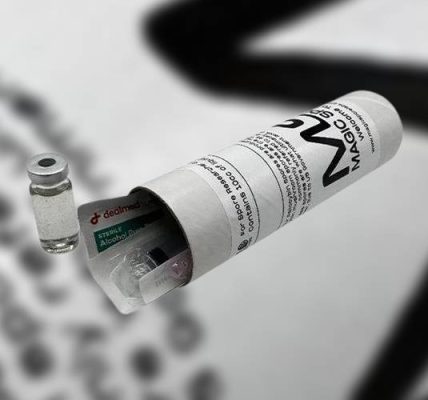
If you’re new to the scene, you might be wondering where people even find mushroom spores in the first place. The answer depends on your intent — for most at-home mycologists, spore prints, spore syringes, or spore swabs are the go-to formats.
The most common method is purchasing from reputable vendors online. These suppliers typically offer spores for microscopy, research, or taxonomical purposes. Knowing how to get mushroom spores responsibly involves sourcing from companies that provide clean, contaminant-free products, with detailed strain labeling and sterile packaging.
While some collectors create their own spore prints from mature mushrooms, beginners are better off starting with a professionally prepared sample. It’s also essential to check local regulations, as legal restrictions may apply depending on your region.

Spotlight on the Golden Teacher Spore Print
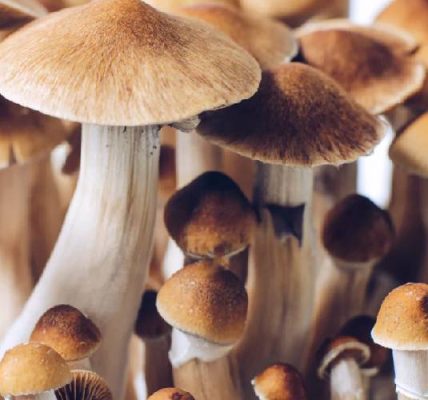
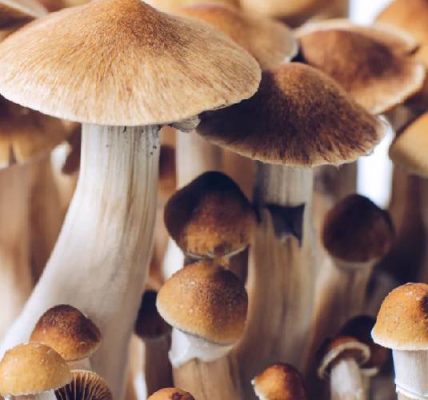
One of the most sought-after specimens for study is the Golden Teacher spore print. This particular strain is admired for its distinct characteristics — notably, its dense spore coverage and recognizable print pattern. The name “Golden Teacher” comes from the mushroom’s golden-colored cap and widespread popularity among enthusiasts.
A Golden Teacher spore print is typically created by placing the mushroom’s cap, gill-side down, on a sterile surface such as foil or glass. Over several hours, the spores are naturally released and leave behind a detailed imprint. These prints are not only visually intriguing but also serve as a compact and efficient way to store and share spores for microscopy work.
Collectors often value Golden Teacher prints for their consistency, ease of handling, and long-term storage potential. Because prints are dry and can be sealed in foil or bags, they’re ideal for mailing or archiving.
Tips for Responsible Collection and Handling
If you’re thinking about collecting your own spores in the future, always prioritize cleanliness and sterility. Even minor contamination can render a spore sample unusable. Gloves, alcohol wipes, and sterile containers go a long way in ensuring your sample remains viable.
When handling a Golden Teacher spore print, avoid touching the actual spore surface. Use sterilized tools like tweezers to transfer or examine it under a microscope. If you plan on rehydrating the spores to create a spore syringe, make sure you follow strict sterile technique — or purchase pre-made syringes from a trusted supplier.
Final Thoughts
Learning how to get mushroom spores and working with a Golden Teacher spore print can open the door to a captivating hobby. Whether you’re starting a spore collection or diving into the microscopic world for the first time, having the right knowledge — and the right spores — sets the foundation for a fulfilling journey.