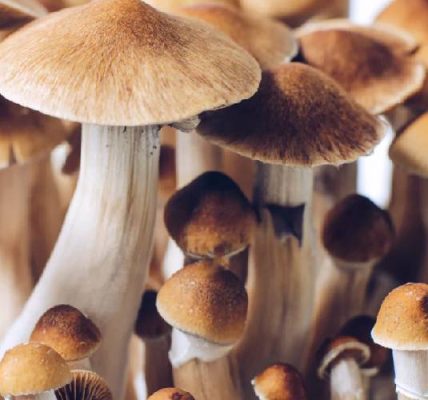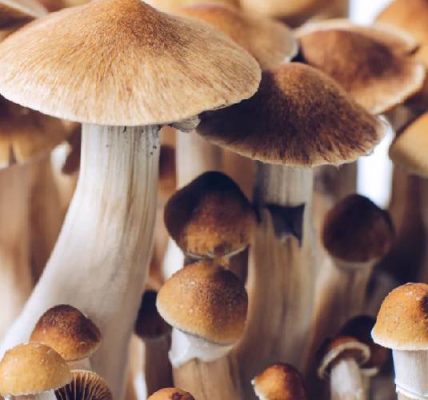

Mushrooms, those mysterious and often magical fungi, have fascinated humans for centuries. From their unique growth patterns to their varied uses in culinary and medicinal practices, mushrooms hold a special place in our hearts and cultures. But have you ever wondered about the tiny, almost invisible particles that play a crucial role in their life cycle? Let’s dive into the fascinating world of mushroom spores and explore how they work.
What Are Mushroom Spores?
At the heart of every mushroom is its spore production. Spores are microscopic reproductive units that fungi use to propagate. They are similar to seeds in plants, but they function quite differently. A single mushroom can release millions of spores into the environment, each carrying the potential to grow into a new mushroom.
How Do Mushroom Spores Work?
To understand how do mushroom spore works, it’s essential to look at their journey from release to germination. When a mature mushroom reaches the right stage of development, it releases spores into the air. These spores are carried by wind, water, or even animals to new locations. Once they land in a suitable environment—rich in nutrients and with the right moisture and temperature conditions—they begin to germinate.
Germination is the process where a spore develops into a mycelium, the vegetative part of the fungus. Mycelium is a network of thread-like structures called hyphae that spread through the substrate (like soil, wood, or decaying matter). This network absorbs nutrients and supports the growth of the mushroom.

The Role of Spores in Mushroom Cultivation
For those interested in mushroom cultivation, understanding spores is crucial. Many enthusiasts and professionals source their spores from reputable suppliers like MagicSporeLabs, known for providing high-quality, viable spores for cultivation. These spores can be used to grow a variety of mushrooms, from common culinary types like shiitake and oyster mushrooms to more exotic species.
Cultivating mushrooms from spores involves several steps. First, the spores are usually suspended in a sterile solution or spread on a nutrient-rich medium. This medium provides the initial food source needed for the spores to germinate and form mycelium. As the mycelium spreads, it consumes nutrients and eventually produces fruiting bodies—the mushrooms we see and use.
Exploring Different Types of Mushroom Spores
Not all mushroom spores are the same. Different species of mushrooms produce spores that vary in size, shape, and color. Some spores are dark and visible to the naked eye, while others are so tiny and light-colored that they require a microscope to see. These variations can affect how spores disperse and germinate.
For example, puffball mushrooms release their spores in a cloud when disturbed, while bracket fungi rely on wind to carry their spores away. This diversity in spore characteristics helps ensure that mushrooms can colonize a wide range of environments.
Conclusion
Mushroom spores are truly the unsung heroes of the fungal world. They play a vital role in the reproduction and spread of mushrooms, allowing these fascinating organisms to thrive in diverse ecosystems. Whether you’re a mushroom enthusiast, a budding cultivator, or simply curious about nature, understanding how mushroom spores work adds a new layer of appreciation for these incredible fungi. So next time you see a mushroom, take a moment to consider the tiny spores it produces and the incredible journey they undertake to create new life.